
 Français
  English
  繁體中文
繁體中文  Español de México
  Português do Brasil

You’ve weighed the same cow three times and got three different numbers. Your cattle scales and weigh scales are fighting you on every single animal. That’s not a minor issue; that’s bad data driving bad decisions on feed, medication, and sale timing. Inaccurate livestock weighing scales cost you more than you think.
The debate on these issues usually comes down to two setups. The load bars or a squeeze chute with a built-in scale. Both work best and both fail under the wrong conditions. Let’s break down exactly which one fits your operation before you invest in any matériel agricole.
Table des matières
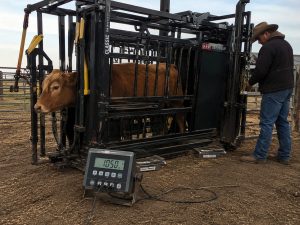
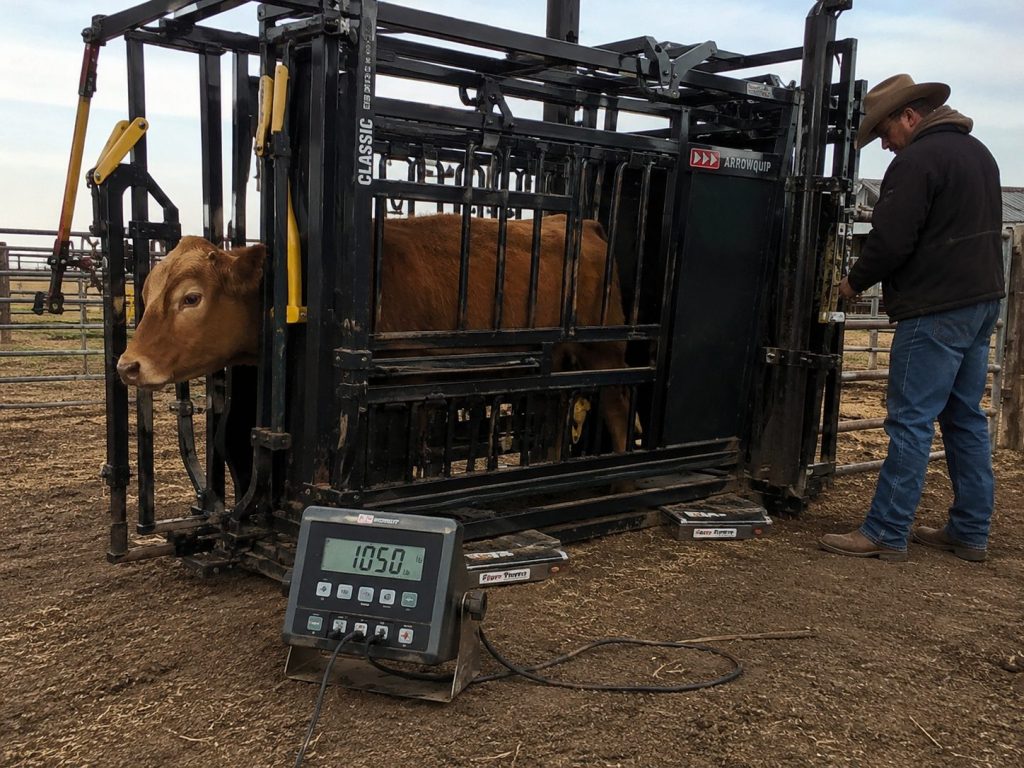
ToggleCattle scales built around load bars use a simple principle. You slide two steel bars under your chute feet. The animal stands in the chute. Each bar has built-in load cells that measure pressure and send a signal to a digital indicator.
You don’t need a new chute. You don’t need permanent installation. Most ranchers are up and running in under an hour. The load bars vs. squeeze chute scales debate often starts and ends here for small operations, because weighing scale bars let you use what you already own.
Weigh bars work best on flat, solid ground. Problems start fast when conditions change.
A squeeze chute with a built-in scale turns one stop into a complete data point. The animal walks in, you squeeze, you weigh, you treat, you scan the RFID reader, all without moving the animal again. That’s a real workflow advantage on a busy weigh day.
Heavy-duty load bars for cattle crush setups solve the capacity problem that smaller bars can’t. Permanent squeeze chute scales typically handle larger animals, bulls and mature cows better than portable setups because the frame itself is engineered for that weight range. The cattle scale platform is built into the chute structure, which means less flex and more consistent readings.
Squeeze chute scales are fixed. If you work multiple pastures or lease land, that scale doesn’t move with you. Maintenance is also harder; when a built-in load cell fails, you’re often pulling the whole chute frame apart.
Alleyway cattle scales sit in the flow of traffic before the chute ever gets involved. Animals walk across a weigh box or platform in the alley without stopping. You get weights on every animal without slowing the line. Cattle weighing scales in alleyway setups also support low-stress handling, and animals move naturally without forced restraint.
Livestock weigh scales set up in the alleyway are popular on larger operations where throughput matters more than chute-side precision. The tradeoff is that you can’t tie the weight to a specific treatment or observation as easily. Pair this with good herd management software and a Bluetooth connectivity-enabled indicator, and the data still ends up where it needs to go.
How to install load bars under a squeeze chute is one of the most searched questions in this category, and most guides skip the details that actually matter.
Start with the ground. Level matters more than anything else.
Electronic cattle scales in load bar form are only as good as their installation. A bar sitting on a rock or a ridge of dried mud will give you garbage data every time. Take 20 minutes to prep the surface. It saves hours of troubleshooting later.
Best cattle weigh scales for small herds don’t need to be complicated. The best cattle scale for small ranches prioritises accuracy and portability, in that order. A 50-cow operation doesn’t need the same setup as a 500-head feedlot.
Portable livestock scales in load bar form are usually the right call here. Look for stainless steel construction and a weather-resistant indicator with solid battery life for field use. Shock absorption built into the bar housing protects the load cells when animals kick or shift aggressively.
This cattle scale with an indicator is built for exactly this use case. Small to mid-size operations that need reliable farm scales without a permanent infrastructure commitment.
Here’s where I’ll be straight. Troubleshooting cattle scale load bars is more common than any seller will admit. Unchecked drift in your scales for livestock directly inflates your shrink weight losses; bad reads mean you’re selling animals at the wrong numbers.
Both types of Cattle weighing systems require regular maintenance. Calibration isn’t a one-time task. If you’re in a humid region, moisture gets into connectors and causes drift.
Don’t buy based on specs alone. Think about your ground conditions, your climate, and whether your crew will actually run calibration checks. A mid-range setup maintained well beats an expensive one ignored.
Livestock scales cattle operations rely on come down to one thing: consistent, accurate data. Load bars give you flexibility. Squeeze chute scales give you integration. Neither wins without a solid foundation and regular calibration.
Three steps before you buy. First, assess your ground, flat and solid wins every time. Second, decide if portability matters; if you work multiple sites, load bars are your answer. Third, match your indicator to your workflow; Bluetooth connectivity and software sync matter if you’re managing more than 50 heads.
Whether you’re comparing animal scales or searching for livestock scales for sale, start with your operation’s reality. Browse options built for working ranches in this farm equipment collection. The right cattle scale for sale fits your ground, your herd, and your crew, not just a spec sheet.
Not reliably. Soft ground causes bars to shift and sink unevenly. That creates pressure imbalances across load cells. Always use a solid rubber mat or concrete pad under bars before weighing.
Most universal bars fit standard chute foot widths. Measure your chute feet before buying. Some heavy-duty or custom chutes have non-standard bases that require adapter plates or custom bar spacing.
Recalibrate every 90 days minimum. Recalibrate immediately after moving the scale, after any animal kicks the platform hard, or after extreme temperature changes. Don’t wait for visible errors.
A weigh box is a standalone pen with a built-in platform. Animals enter freely. A squeeze chute scale restrains the animal while weighing. Weigh boxes suit high-throughput flow. Chute scales suit individual animal management.
Yes, if rated for it. Always check the maximum capacity of both the bars and the indicator. Most heavy-duty models handle 5,000–10,000 lbs. Never exceed the rated capacity, as it damages load cells permanently.

Inscrivez-vous pour recevoir les mises à jour, les promotions et les avant-premières des produits à venir. Plus 20% de réduction sur votre prochaine commande.