
 繁體中文
繁體中文  English
  Español de México
  Français
  Português do Brasil

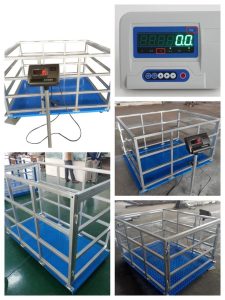
What if you weigh your cattle before sale, and the reading is off by 15-20 kg per head? Across a mob of 50 cattle, that’s a significant loss walking straight out your gate. Many Australian farmers don’t realize their cattle scales have drifted until the damage is done.
Accurate livestock weighing scales aren’t just about knowing numbers. They affect medication dosing, feed calculations, and your final returns. This guide breaks down exactly how inaccurate scales hurt your operation, and what you can do about it. Check out our farm equipment range for reliable weighing solutions.
目錄
切換Most cattle scales look fine. They turn on. They show numbers. But accuracy is invisible until you test it.
Research suggests Australian farmers lose substantial returns yearly from weighing errors. The problem? Scale drift happens slowly. A few kilos here, a few there. You adapt to the numbers without questioning them.
Industry Insight: Even “small” errors of 2% mean losing significant weight value across every sale.
The cost of inaccurate livestock weighing goes beyond the sale day. Here’s where the losses stack up:
| Impact Area | What Goes Wrong | Result |
| Sale Weight | Underreporting actual weight | Direct revenue loss |
| Medication | Wrong dose calculations | Animal health issues |
| Feed Planning | Incorrect weight gain | Wasted feed costs |
| Record Keeping | False data in systems | Poor breeding decisions |
A livestock weighing loss calculator would shock most farmers. Even 1.5% error across 200 heads annually creates serious gaps.
How to tell if my livestock scales need calibration? Watch for these warning signs.
Physical damage often means accuracy problems.
Behavior tells you more than appearance.
Pro Tip: Weigh a known test weight monthly. If it reads wrong, your cattle weights are wrong too.
The difference between mechanical and digital cattle scales for accuracy is significant, but not how most think.
Mechanical scales use springs and levers. They’re durable but drift faster. Temperature changes affect them more. Reading them requires interpretation.
Digital scales for livestock use electronic load cells. They give precise readouts and connect to NLIS systems. But they need power and protection from moisture.
Neither type is “set and forget.” Both need calibration. Digital scales simply make errors easier to spot.
Today’s animal scales do more than weigh. They integrate with your whole operation.
NLIS-compatible weighing systems for small farms connect weights directly to animal records.
Portable livestock scales Australia farmers use need extra attention. Moving creates stress on components.
Trade legal cattle scales must meet specific standards. Portable cattle scales Australia operations use need certification if selling by weight.
You don’t need expensive equipment. Here’s a quick check anyone can do.
Step 1: Find a known weight. A 20kg feed bag works. Weigh it on certified scales first.
Step 2: Place it on your cattle weighing scales five times. Record each reading.
Step 3: Check the variation. More than 0.5kg difference? Time for calibration.
Step 4: Test at different platform positions. Accuracy should be consistent across the cattle scale platform.
This takes 10 minutes. Do it monthly.
Here’s my straight advice after years in this industry.
Not every old scale needs replacing. If your mechanical scales hold calibration and you’re not selling trade-weight, they might serve you fine. Calibration often costs less than new equipment.
But watch for these deal-breakers:
The best cattle scale for your operation depends on your actual needs. Don’t buy features you won’t use. A quality livestock scale with indicator handles most operations without unnecessary complexity.
Warning: Cheap scales often cost more long-term. Poor accuracy means you’re paying for equipment that loses you returns.
Accurate cattle weigh scales protect your returns at every stage. From medication dosing to sale day weights, correct readings mean correct decisions.
Take these three steps this week:
Your livestock scales cattle operations depend on should work for you, not against you. Small investments in accuracy pay returns across every animal you manage.
Studies indicate 2-5% weight errors are common on uncalibrated scales. Across annual sales, this represents substantial revenue loss depending on herd size and market conditions.
Yes. Modern systems scale to operational size. Basic NLIS readers connect to most digital livestock scales for sale today, making compliance simple for any herd size.
Temperature swings impact mechanical scales the most. Cold contracts metal components; heat expands them. Digital scales compensate better but still need weather protection.
Australian trade measurement laws require annual certification for scales used in commercial transactions. Keep certification current to avoid penalties and disputes.
Causes include animal movement, scale drift, and platform debris. If variation exceeds 1%, investigate calibration, load cell condition, and platform leveling.

注册后即可收到最新信息、促销活动和即将上市产品的抢先预览。此外,下次订购还可享受 20% 优惠。