
 Español de México
  English
  繁體中文
繁體中文  Français
  Português do Brasil

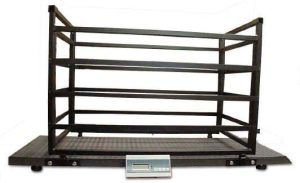
Are you losing money every time you sell cattle? Most ranchers don’t know their cattle weigh scales cost them hundreds or thousands of dollars. Bad weights mean you give away free beef or waste money on feed. Both problems destroy your profits.
Your cattle scales should make you money, not waste it. Regular scales in your maquinaria agrícola can drift out of calibration while weighing livestock; you can’t track weight gain. You waste feed on poor performers. You sell good cattle too early. This guide shows how bad scales cost you money and how to fix the problem.
Índice
ToggleSmall errors in your cattle scales add up to big money losses.
Selling a 1,200-pound steer that actually weighs 1,250 pounds loses you $75 at $1.50 per pound. A 50-head sale with 4% weight error costs you $3,750. That’s real money walking away.
The most common thing people ask is, “why are my cattle weigh scales costing me money?” Your home scales might read lighter than sale barn scales. Or they read heavier, and you think cattle are gaining when they’re not.
Can faulty cattle weigh scales ruin my feed budget? Yes. You can’t manage what you can’t measure. If scales show fake weight gain, you keep feeding slow gainers. Poor performers eat just as much as good ones. Without good cattle weight measurement, you throw feed money away.
A 2% error in daily gain means you feed animals an extra 30-45 days for nothing.
Selling too early leaves money on the table. Selling too late costs extra feed. How often should I weigh my cattle for maximum profit? You should weigh monthly to see true gain rates.
Best cattle weigh scales for profit include data tracking. Animals gaining less than 1.5 pounds daily on pasture should sell now. Those pushing 3 pounds daily might benefit from another month.
Accurate scales help you catch health problems early and treat cattle correctly.
Weight loss is often the first sign of sickness. A steer that loses 20 pounds in a week needs help fast. How to identify underperforming cattle with weigh scales? Track weekly weights during high-risk times.
Parasites, breathing issues, and stomach problems all show up in weight data first. Catching these early saves on vet bills.
Most livestock medications are dosed by weight. A 100-pound error means you give a 10-15% wrong dosage. Accurate animal scales ensure proper treatment every time.
Good livestock scale accuracy data shows which groups respond to feed changes. You can test different feeds and measure results. This prevents expensive feed experiments that don’t work.
Watch for these warning signs.
Does the same animal weigh different amounts in back-to-back weighings? Livestock scales for sale often fail slowly. The scale might show 1,205 pounds, then 1,198 pounds, then 1,210 pounds for the same steer in five minutes. This makes all your data worthless.
Check your cattle scale platform every month. Cracks, rust, and bent metal hurt accuracy. Water getting into the load cells ruins them completely.
How often should I calibrate my cattle weigh scales? Get professional calibration twice yearly. Check monthly with test weights. If your scale needs calibration weekly, it’s done.
What is the average lifespan of digital cattle weigh scales in cold climates? Quality scales last 10-15 years. Cheap ones fail in 5-7 years.
Display screens that flicker or go blank mean electronic problems. Buttons that don’t work. These issues get worse over time.
Fifteen-year-old scales don’t have data tracking features. They can’t connect to farm software. Modern farm scales include better electronics that connect to computers and phones.
Which Cattle Weigh Scales Won’t Fail You in 2026? Different scale types work better for different farm setups.
Livestock scale load bars sit under platforms or chutes. They’re portable and flexible. Portable cattle weigh scales using load bars work great for rotational grazing. Quality load bar systems last 15+ years with proper care.
Built-in squeeze chute scales offer convenience. Cattle enter for routine handling anyway. You save time and reduce stress. For permanent handling facilities, integrated systems make sense.
Small operations under 100 head benefit from portable livestock scales. For large commercial operations, permanent squeeze chute systems offer speed and efficiency.
Weighing monthly or less? Portables work fine. Weighing weekly? Built-in systems save labor hours.
Good maintenance prevents expensive repairs.
Many common mistakes make weighing take too long.
Cattle won’t enter tight, dark spaces easily. Fix the inaccurate cattle weigh scales problems by first fixing the approach design. Use solid sides. Avoid sharp corners. Position scales so cattle walk toward herd mates.
Moving cattle creates jumping weights. Modern cattle weighing solutions capture peak weight automatically. This speeds up processing a lot.
Writing numbers on paper wastes time. Modern scales for livestock connect directly to computers and phones. Data transfers automatically.
Calm, quiet handling means cattle enter the scales willingly. They stand still. You get accurate weights faster.
Try these simple fixes before calling a repair person.
Proper calibration ensures your home weights match sale barn weights. Usually, it’s cattle scale calibration differences. Sale barns calibrate regularly. Your home scales might drift over time. Some ranchers calibrate slightly on the heavy side. This ensures they never give away weight at sale time.
Certified technicians use known test weights. They check accuracy across your scale’s full range. Keep calibration certificates with farm records.
Buy certified test weights. Weigh them monthly. If readings drift more than 0.5%, schedule professional calibration right away.
Watch for these warning signs when buying used equipment.
Modern scales connect to software that helps you manage cattle better.
Best cattle weight scale systems include Bluetooth or WiFi. They send weight data directly to your phone or computer. No manual entry.
This connectivity changes how you use weight data. Track individual animal performance. Calculate feed conversion ratios.
Modern farm software tracks everything. Breeding dates, calving records, medical treatments, and weights. All in one place.
You can sort cattle by gain rate instantly. Identify the top 20% performers for breeding stock. Flag the bottom 10% for culling.
How to improve animal health tracking with accurate cattle weighing? Combine weight data with other records. Did that treatment work? Check if weight gain resumed.
Connected scales make this analysis simple. You spot patterns across hundreds of animals.
Less stressed cattle weigh faster and give more accurate readings.
Regular weighing helps you catch sick cattle early.
Healthy cattle gain weight steadily. Sick ones stop gaining or losing weight. A steer gaining 2.5 pounds daily that suddenly drops to 0.5 pounds needs attention now. Without good livestock scale accuracy, you don’t notice problems until cattle look obviously sick.
After treating sick cattle, weight gain starts again proves recovery. If gain doesn’t resume within 5-7 days, try a different treatment.
Weigh cattle before treatment. Weigh them 30 days after. Compare gain rates. Good parasite control shows a big improvement.
Large operations need fast, tough equipment.
What are the best cattle weigh scales for large herds? Look for these features:
If you are looking for cattle scales for sale, find sellers that offer professional-grade accuracy with portable convenience. Built for ranch conditions, it tracks data and stands up to weather.
Look beyond the price tag to see real value.
Cheap cattle scales for sale cost more over time. Quality farm equipment pays for itself through reliability.
A $3,000 quality scale lasting 15 years costs $200 yearly. A $1,000 cheap scale lasting 6 years costs $167 yearly, plus higher maintenance costs.
Connected scales eliminate manual recording and data entry. One person processes cattle instead of two.
Better data leads to better decisions. Knowing exactly when to sell. Which cattle to cull? How do feed programs perform?
| Scale Issue | Profit Impact | Annual Cost (100-head) |
| 2% Weight Error | ~ $36/head at sale | ~ $3,600 per sale |
| Poor Feed Decisions | ~ 33% feed waste | ~ $6,000-10,000 |
| Wrong Sale Timing | ~ $75/head | ~ $7,500 |
| Missed Health Issues | Death loss/treatment | ~ $2,000-5,000 |
| Total Loss | ~ $19,100-26,100 |
Fix problems now. The investment pays back in months through better decisions and accurate sales weights.
Start with professional calibration this week. Make a maintenance schedule. Think about upgrading to modern livestock weighing scales if yours are over 10 years old. Check out quality maquinaria agrícola options.
Track your weights religiously. Use the data to make decisions. Get rid of poor performers. Sell at the best times. Your profit margins will show the difference right away.
Cold damages load cell cables and batteries. Insulate electronics and use weatherproof covers to keep them reliable. Store indoors during the off-season.
Add non-slip mats or rubber flooring to the platform. Train calves with treats to stand still. This cuts escape attempts by half.
Yes, most platforms handle multi-species with adjustable gates. Clean between uses to avoid cross-contamination. Verify capacity for smaller animals.
Weigh early morning when they’re calm, using wide platforms. Avoid crowding to prevent falls. Monitor for stress signs post-weighing.
Weigh same time daily, like pre-feed, to avoid gut fill variations. This ensures real growth data, not “paper gains.” Track average reliably.

Regístrese para recibir actualizaciones, promociones y adelantos de los próximos productos. Además, 20% de descuento en tu próximo pedido.