

 Português do Brasil
  English
  繁體中文
繁體中文  Español de México
  Français

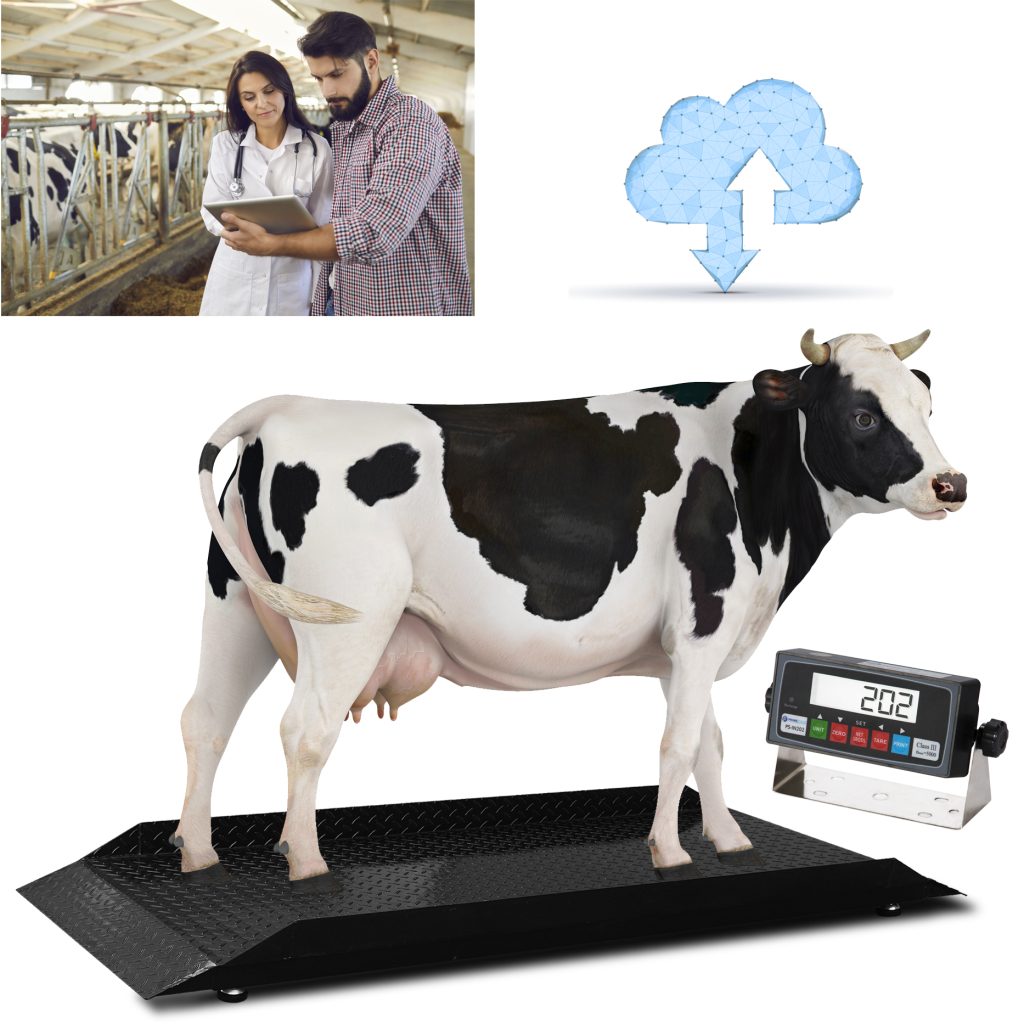
You run 80 head through the chute on weigh day. Numbers bounce, and nothing syncs. By noon, you’ve lost half your day and still don’t trust the data. Your cattle scale indicator is the brain of all good farm scales. A slow one bottlenecks your entire operation. Every rancher running outdated cattle scales and livestock weighing systems knows this pain.
Most problems trace back to a few fixable things. A bad load cell, a skipped calibration, or the wrong setup. This guide helps you diagnose and fix it fast. We’ll cover what matters before you buy any equipamentos agrícolas.
Índice
AlternarOne question that’s most common on every ranch forum is: Why does my cattle scale show jumping numbers? This is the most common complaint. Your screen flickers and never settles. Two main causes drive this.
A stressed animal shifts constantly. Chute movement travels through the weigh platform and into the load bars. If your squeeze chute scales connect directly to the chute frame, every kick registers as a weight change.
Cattle scale load cells sit under thousands of pounds of pressure in mud and weather. They wear out. When one cell reads differently, the system can’t agree on a number.
When it comes to cattle weigh scales, setup location changes everything. Squeeze chute scales mount under the chute. You get a weight right at the point of handling, ideal when you’re already stopping each animal for treatment or scanning RFID tags.
Alleyway cattle scales sit in the lane before the chute. Animals walk across without stopping. Use a cattle scale platform of at least 8 feet so the animal stands fully on the surface. Many ranchers pair this with drafting and sorting gates triggered by weight thresholds to keep the line moving.
A load cell is a metal sensor. Weight presses on it, and it bends slightly. That bend changes an electrical signal. The digital indicator converts that signal into a number. Most livestock scales use four load cells mounted on load bars, one at each corner.
Catch a bad cell early, and you replace just that one. Wait too long, and the stress spreads. This cattle scale with an indicator comes with matched load cells already wired to the readout.
Bad calibration silently kills your data. Your shrink rate calculations, feed tracking, and sale weights all depend on accurate numbers.
Livestock scale calibration should happen at least every six months. Outdoor scales need it every season. Temperature swings shift readings more than most ranchers realize. Quality livestock weighing scales hold calibration longer; cheaper ones drift faster.
Your cattle scale indicator is the brain of the system. A slow indicator bottlenecks your entire operation.
| Recurso | Why It Matters | Look For |
| Weight Lock Speed | Faster lock = less time per animal | Under 3 seconds |
| Bluetooth Connectivity | Syncs to herd management software | Built-in, not an adapter |
| Animal Mode Filter | Smooths motion for steady reading | Adjustable sensitivity |
| Display Size | Readable chute side in sunlight | Backlit, 1″+ digits |
| Data Storage | Holds records when the signal drops | 1,000+ entries |
If readings are slow but the cells test fine, the indicator is your bottleneck.
Cattle weigh bars are steel bars with built-in load cells. They sit under a chute or a simple frame. They work well as portable livestock scales for ranchers working multiple locations.
A full cattle-scale platform is one solid deck. Heavier. Less mobile. But more stable for permanent livestock handling equipment setups. For a home ranch with a dedicated alley, a platform wins on accuracy.
I’ll be straight with you. Sometimes the scale isn’t the problem.
If your chute rocks on uneven ground, no scale fixes that. If the alley is too short and animals crowd the platform, you’ll get bad reads regardless of brand. If your crew doesn’t know how to operate the indicator, even the best cattle-weighing scales collect dust.
Fix your foundation before you spend money. Level the ground. Extend the alley. Train your people. A mid-range scale on a solid setup beats a premium scale on a bad one every time.
An accurate livestock weighing system saves hours and gives you data you can trust. Test each load cell first. Recalibrate with proper calibration weights. Then evaluate your indicator.
The best cattle scale isn’t always the biggest or newest. It’s the right scales for livestock that fit your workflow. It’s the one that fits your setup, holds calibration, and locks weight fast. Whether you’re looking at a cattle scale for sale or fixing what you already own, start with the basics. The fix is usually simpler than you think.
Usually chute vibration or a failing load cell. Isolate the scale frame from the chute and test each cell individually with a known weight before assuming the whole system is broken.
Yes. Weigh bars fit under most chutes without major modification. Make sure the chute doesn’t flex or rock; that movement transfers directly into your readings.
Test cells with a static known weight. If readings are stable, but bounce with animals, it’s a dampening setting on the indicator. If readings are off, even static, suspect a cell.
No, just the bad one, if you match the specs exactly. Capacity and output rating must match your existing cells. Mismatched cells cause corner errors that calibration alone won’t fix.
Yes, if the indicator has Bluetooth built in. Avoid adapter-based solutions; they drop connections. Confirm compatibility with your record-keeping app before purchasing the indicator.
Inscreva-se para receber atualizações, promoções e informações sobre os próximos produtos. E ainda 20% de desconto em seu próximo pedido.