


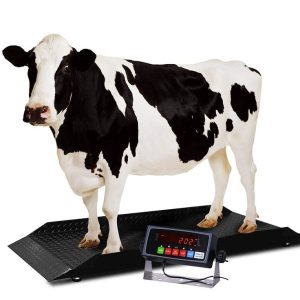
You find a used cattle weighing scale listed at a good price. The photos look clean. The seller says it works fine. You buy it, set it up, and run your first weigh session and the readings jump between numbers, never settle, and your crew cannot get a stable weight on a single animal. Three weeks later, a technician tells you two of the four load cells are damaged beyond repair.
This happens more than most sellers will admit. The market for used cattle scales for sale is active, and there are genuine deals available. Knowing the five warning signs before you hand over anything is the difference between a smart purchase and an expensive mistake. If you want a reliable unit look at certified cattle weighing scales before evaluating used options.
Table of Contents
ToggleLoad cells are the core of any cattle scale. They convert the animal’s weight into an electrical signal that the indicator reads. The problem with load cells is that damage is almost always invisible from the outside. The wiring looks connected. But inside, the sensing element has been overloaded, corroded, or cracked and it will never give you a stable reading again.
Heavy use accelerates load cell wear faster than most buyers expect. A scale that weighed 500 cattle a week for three years has load cells under far more stress than its age suggests.
Before agreeing to any purchase, ask to test the scale with known weights:
If the seller refuses a test weight check, that refusal is itself a warning sign.
A cattle weighing scale with no calibration history is a scale you cannot trust. Calibration confirms that the scale reads accurately against a verified standard. Without that record, you have no way to know whether the unit was ever accurate or how far off it currently reads.
Inaccurate livestock weights directly affect treatment dosing, feeding programs, and sale weight calculations. A scale that reads 30 pounds light on every animal damages every production decision you make with that data.
Ask for the calibration certificate and the date of the last service. If the seller cannot produce either, budget for a professional recalibration before the scale enters service or walk away entirely.
Surface rust on a steel frame is cosmetic. Corrosion inside or around load cell mounting points is a structural and accuracy problem. Water and manure work into load cell housings over time, especially on scales stored outdoors or used without regular cleaning.
Look specifically at the underside of the platform where load cells mount. Any orange staining, pitting, or moisture residue around the cell housing means corrosion has likely reached the sensing element. Reliable used livestock scales will show clean, dry load cell mounts with no sign of water intrusion.
The indicator is the display unit that reads and stores weight data. On a used cattle scale for sale, indicator problems show up as flickering numbers, slow response, error codes that clear on their own, or readings that change without any weight change on the platform.
Sellers often describe these as “minor glitches” or “just needs a reset.” In practice, indicator faults usually trace back to damaged internal components, corroded cable connections, or a display unit that is simply at end of life. Replacement indicators are available, but confirm compatibility with the scale model before assuming a swap is straightforward.
This is the warning sign buyers miss most often because they focus entirely on the electronics. Portable cattle scales for sale in particular take heavy structural stress from repeated setup, transport, and animal loading. Ramps crack. Welds fail. Platform edges bend.
A structural failure during a weigh session is not just a scale problem. It is an animal safety emergency. Check every weld point on the frame, walk both ramps fully loaded with your own weight, and look underneath the platform for any cracked or bent supports.
You should know what to check before buying.
| Inspection Point | What to Look For | Red Flag |
| Load cells | Stable reading with test weights | Drifting or inconsistent numbers |
| Calibration record | Certificate with recent service date | No record or unknown history |
| Corrosion | Clean, dry load cell mounts | Orange staining or pitting near cells |
| Indicator display | Stable, fast response | Flickering, error codes, slow update |
| Frame and ramps | Solid welds, flat ramps, no flex | Cracked welds, bouncy ramps, bent platform |
I want to say something that most scale sellers will not. Some used cattle scales are simply not worth buying at any price. A unit that has been used hard for eight or more years on a large operation, stored outdoors, and never professionally serviced is not a deal. It is a liability with wheels.
The market for used cattle scales moves fast because some sellers know exactly what they have and price it to move before the problems surface. Scales with high resale value, brands known for durability and easy load cell replacement. Sell fast because informed buyers recognize them.
Buy used cattle scales only when you can physically inspect the unit, run a test weight check, and see a calibration record. If any one of those three is missing, either negotiate for a professional inspection before purchase or buy new. See our full range of livestock scales for cattle here for a direct comparison on what a verified, ready-to-use unit includes.
A used cattle weighing scale can be a smart purchase, but only when you know what you are actually buying. The five warning signs in this post cover the failures that catch buyers off guard most often.
Load cell damage, missing calibration records, corrosion, indicator faults, and structural damage are not minor issues. Each one affects either your data accuracy, your animal safety, or both.
Here are three steps before your next purchase:
The right cattle scale for sale used or new should make your operation more accurate, not less.
Load cell damage, corroded wiring, and missing calibration records are the top three. These issues stay hidden during a casual inspection and only surface after the first few weigh sessions.
Under normal use, load cells last between 5 and 10 years. Heavy commercial use shortens that lifespan faster than most buyers expect, so always test with known weights before buying.
Yes, but recalibration only confirms accuracy on cells that still work correctly. It cannot fix load cells that are already damaged or corroded, so inspect them before you recalibrate.
Brand reputation and build quality drive resale speed. Scales known for durable frames and easy load cell replacement move quickly because experienced buyers already recognize their long-term value.
It is a real risk because you cannot confirm the scale reads accurately. Inaccurate weights affect treatment dosing, feeding programs, and sale calculations, so always get a professional calibration before putting it into service.

Sign up to receive updates, promotions, and sneak peaks of upcoming products. Plus 20% off your next order.