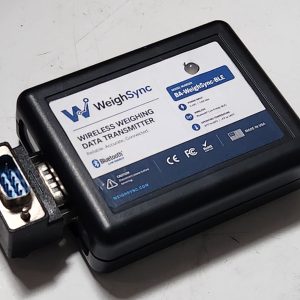
Don’t Let a Wrong Weighing System Cost You Time And Money
Wrong weight readings cost more than you think. One bad measurement can trigger a rejected batch, a compliance failure, or a costly shipment dispute. Most of spreadsheets contain errors from manual data entry. In weighing operations, that’s a daily risk.
Most facilities don’t have a scale problem. They have a system problem. The indicator is old. The controller won’t talk to the ERP. The label printer jams every third shift. That’s the real bottleneck. It’s destroying your operational efficiency and manufacturing efficiency shift by shift.
One Weak Link Stops Everything
Wrong Data Travels Fast
A misread weight moves into your records, invoices, and compliance reports. Manual data entry makes this worse. Operators write down numbers. Numbers get misread. This human error is the biggest risk in industrial weighing technology today.
Disconnected Systems Kill Production Visibility
If your weight indicator can’t push data to your controller, you are still writing things down by hand. If your industrial controller doesn’t support your ERP or PLC, someone is re-entering data. Every. Single. Shift.
This creates data inconsistencies and limited visibility. Slow processing caused by outdated weighing terminals delays decisions that cost you money.
What the Right Instruments Actually Fix
Industrial Label Printers
Connect your printer directly to your system. The weight prints automatically. No typing. No guessing. These workers work in harsh factory conditions and support legal-for-trade labeling.
- Eliminates manual data entry errors
- Connects to weighing data collection systems
- Speeds up material handling and dispatch
Industrial Controllers & Weighing Controllers
Raw data means nothing without action. Weighing controllers turn data into logs and reports. They connect to your ERP integration or PLC. They manage conveyor weighing, silo weighing, and tank weighing without manual supervision.
Without them, your scale is just a display. With them, it’s an automated weighing system for process optimization.
- Removes manual re-entry between systems
- Supports data logging and real-time monitoring
- Solves system integration challenges and enables industrial connectivity
Weight Indicators & Scale Indicators
Old scale indicators introduce doubt. Operators double-check. Processes slow. Calibration issues creep in. Equipment compatibility fails when you need it most.
Digital weighing equipment gives high accuracy in dusty, wet, or high-vibration spots. This is where load cell technology must be spec-matched to your display for reliable performance.
- Built for industrial measurement and industrial instrumentation
- Eliminates operator reading errors
- Essential for quality control and production monitoring
The Real Cost of the Wrong Setup
A disconnected weighing system causes:
- Rejected shipments from wrong label weights
- Compliance failures during audits
- Production downtime when systems don’t sync
- Inventory losses from inaccurate records
- Customer disputes over wrong invoice weights
These happen when your weighing equipment accessories, industrial scale accessories, and weighing system accessories don’t work as one connected system. Equipment integration isn’t optional. It’s where your process weighing either works — or quietly fails.
Before You Buy, Get These Right
- Know your environment. Dusty or wet areas need IP-rated equipment.
- Confirm connectivity. Your weighing connectivity solutions must match Modbus, Ethernet/IP, or RS-232. Incompatible protocols mean limited visibility forever.
- Match your indicator to your load cell. Load cell technology and your indicator must be spec-matched. Capacity mismatches cause inaccurate readings. This equipment compatibility mistake is easy to avoid.
- Think about data output. Need labels, ERP reports, or live feeds? Choose weighing controllers based on output, not just input. This is where smart weighing setups beat basic ones.
- Ask about calibration. Pick weighing system accessories that your team can recalibrate on-site.
Frequently Asked Questions
1. What components are required for a complete industrial weighing system?
You need a load cell, a weight indicator, a controller, and, depending on the workflow. A label printer. Each must be compatible for reliable performance.
2. How do I integrate with PLC or ERP software?
Most industrial controllers support Modbus RTU, Ethernet/IP, or serial output. Match specs before purchasing. Poor equipment integration here is the most common regret.
3. What should I consider before buying?
Environment rating, connectivity type, and legal-for-trade requirements. Then ask if you need smart weighing solutions with remote monitoring or standalone operation.
4. Are these systems legal-for-trade?
Only if certified, NTEP or OIML. Confirm in product specs before commercial use.
5. How do label printers streamline warehouse operations?
They pull weight data directly and print automatically. This cuts out manual data entry, removes errors, and keeps inventory management accurate, no slow processing at dispatch.
Stop Patching. Start Building Right.
At BizAutom, every instrument is built for real industrial environments.
- Tested for factory automation and process weighing
- Weighing equipment accessories that work together
- Supports production monitoring and full industrial connectivity
- Fast shipping and real technical support
Don’t let the wrong instrument cost you a shipment, an audit, or a customer.
Browse the full range and build a system that works the first time.
Don’t Let a Wrong Weighing System Cost You Time And Money
Wrong weight readings cost more than you think. One bad measurement can trigger a rejected batch, a compliance failure, or a costly shipment dispute. Most of spreadsheets contain errors from manual data entry. In weighing operations, that’s a daily risk.
Most facilities don’t have a scale problem. They have a system problem. The indicator is old. The controller won’t talk to the ERP. The label printer jams every third shift. That’s the real bottleneck. It’s destroying your operational efficiency and manufacturing efficiency shift by shift.
One Weak Link Stops Everything
Wrong Data Travels Fast
A misread weight moves into your records, invoices, and compliance reports. Manual data entry makes this worse. Operators write down numbers. Numbers get misread. This human error is the biggest risk in industrial weighing technology today.
Disconnected Systems Kill Production Visibility
If your weight indicator can’t push data to your controller, you are still writing things down by hand. If your industrial controller doesn’t support your ERP or PLC, someone is re-entering data. Every. Single. Shift.
This creates data inconsistencies and limited visibility. Slow processing caused by outdated weighing terminals delays decisions that cost you money.
What the Right Instruments Actually Fix
Industrial Label Printers
Connect your printer directly to your system. The weight prints automatically. No typing. No guessing. These workers work in harsh factory conditions and support legal-for-trade labeling.
- Eliminates manual data entry errors
- Connects to weighing data collection systems
- Speeds up material handling and dispatch
Industrial Controllers & Weighing Controllers
Raw data means nothing without action. Weighing controllers turn data into logs and reports. They connect to your ERP integration or PLC. They manage conveyor weighing, silo weighing, and tank weighing without manual supervision.
Without them, your scale is just a display. With them, it’s an automated weighing system for process optimization.
- Removes manual re-entry between systems
- Supports data logging and real-time monitoring
- Solves system integration challenges and enables industrial connectivity
Weight Indicators & Scale Indicators
Old scale indicators introduce doubt. Operators double-check. Processes slow. Calibration issues creep in. Equipment compatibility fails when you need it most.
Digital weighing equipment gives high accuracy in dusty, wet, or high-vibration spots. This is where load cell technology must be spec-matched to your display for reliable performance.
- Built for industrial measurement and industrial instrumentation
- Eliminates operator reading errors
- Essential for quality control and production monitoring
The Real Cost of the Wrong Setup
A disconnected weighing system causes:
- Rejected shipments from wrong label weights
- Compliance failures during audits
- Production downtime when systems don’t sync
- Inventory losses from inaccurate records
- Customer disputes over wrong invoice weights
These happen when your weighing equipment accessories, industrial scale accessories, and weighing system accessories don’t work as one connected system. Equipment integration isn’t optional. It’s where your process weighing either works — or quietly fails.
Before You Buy, Get These Right
- Know your environment. Dusty or wet areas need IP-rated equipment.
- Confirm connectivity. Your weighing connectivity solutions must match Modbus, Ethernet/IP, or RS-232. Incompatible protocols mean limited visibility forever.
- Match your indicator to your load cell. Load cell technology and your indicator must be spec-matched. Capacity mismatches cause inaccurate readings. This equipment compatibility mistake is easy to avoid.
- Think about data output. Need labels, ERP reports, or live feeds? Choose weighing controllers based on output, not just input. This is where smart weighing setups beat basic ones.
- Ask about calibration. Pick weighing system accessories that your team can recalibrate on-site.
Frequently Asked Questions
1. What components are required for a complete industrial weighing system?
You need a load cell, a weight indicator, a controller, and, depending on the workflow. A label printer. Each must be compatible for reliable performance.
2. How do I integrate with PLC or ERP software?
Most industrial controllers support Modbus RTU, Ethernet/IP, or serial output. Match specs before purchasing. Poor equipment integration here is the most common regret.
3. What should I consider before buying?
Environment rating, connectivity type, and legal-for-trade requirements. Then ask if you need smart weighing solutions with remote monitoring or standalone operation.
4. Are these systems legal-for-trade?
Only if certified, NTEP or OIML. Confirm in product specs before commercial use.
5. How do label printers streamline warehouse operations?
They pull weight data directly and print automatically. This cuts out manual data entry, removes errors, and keeps inventory management accurate, no slow processing at dispatch.
Stop Patching. Start Building Right.
At BizAutom, every instrument is built for real industrial environments.
- Tested for factory automation and process weighing
- Weighing equipment accessories that work together
- Supports production monitoring and full industrial connectivity
- Fast shipping and real technical support
Don’t let the wrong instrument cost you a shipment, an audit, or a customer.
Browse the full range and build a system that works the first time.